2026.05.22
 Industry News
The global stationery supply chain has expanded quickly in recent years, especially with rising demand from e-commerce retailers, school distributors, and lifestyle stationery brands. However, many overseas buyers still report the same recurring problem: product inconsistency between batches. One shipment writes smoothly, the next feels dry or uneven. One set shows stable color tone, another appears slightly different on paper. These issues may seem small at sample stage, but they often become serious after mass distribution in retail channels.
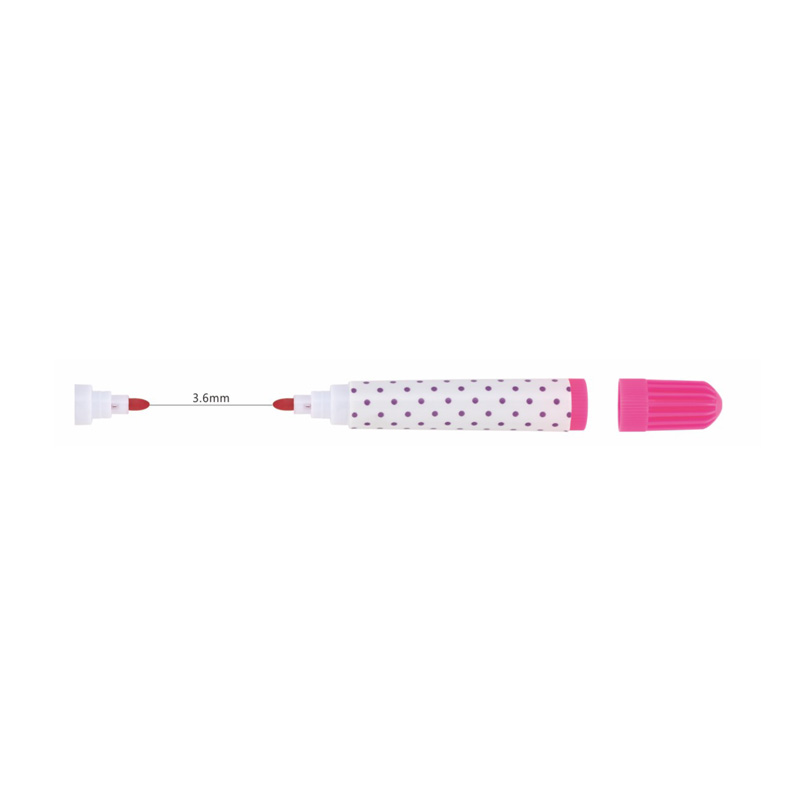
This is pushing procurement teams to rethink how they evaluate suppliers, especially for products like writing pens, sketch tools, and creative coloring materials that depend heavily on user experience.
One of the main problems buyers face is inconsistent ink performance during mass production. Even when samples look perfect, bulk orders sometimes behave differently during actual use.
Retailers often receive feedback such as:
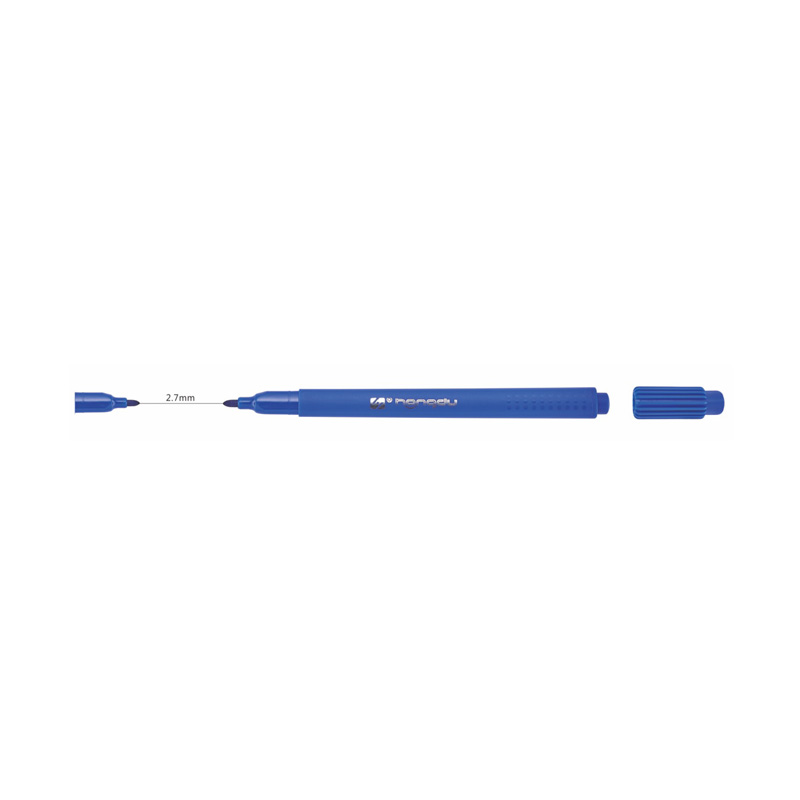
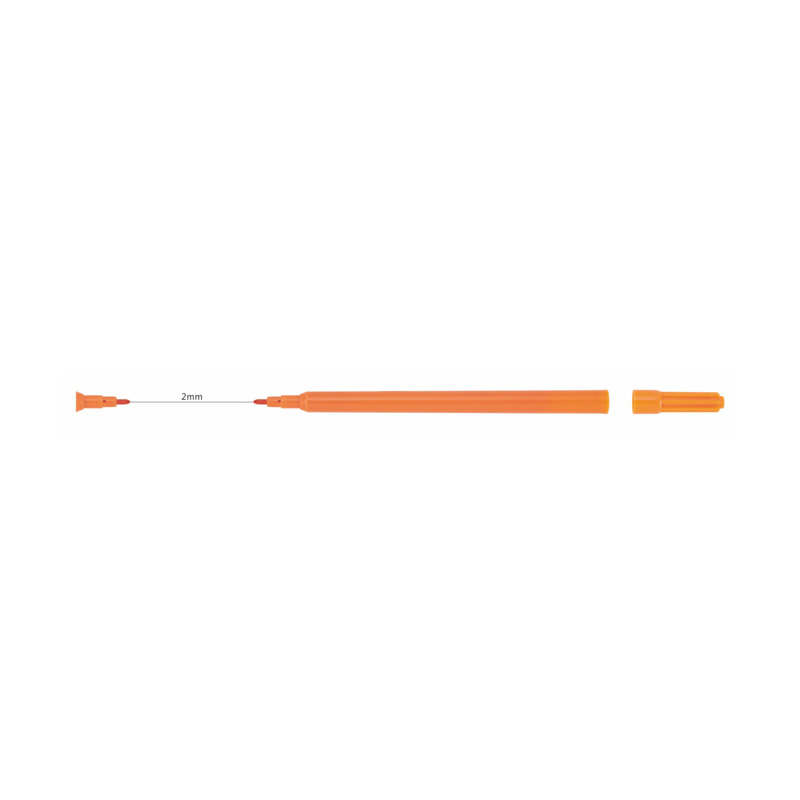
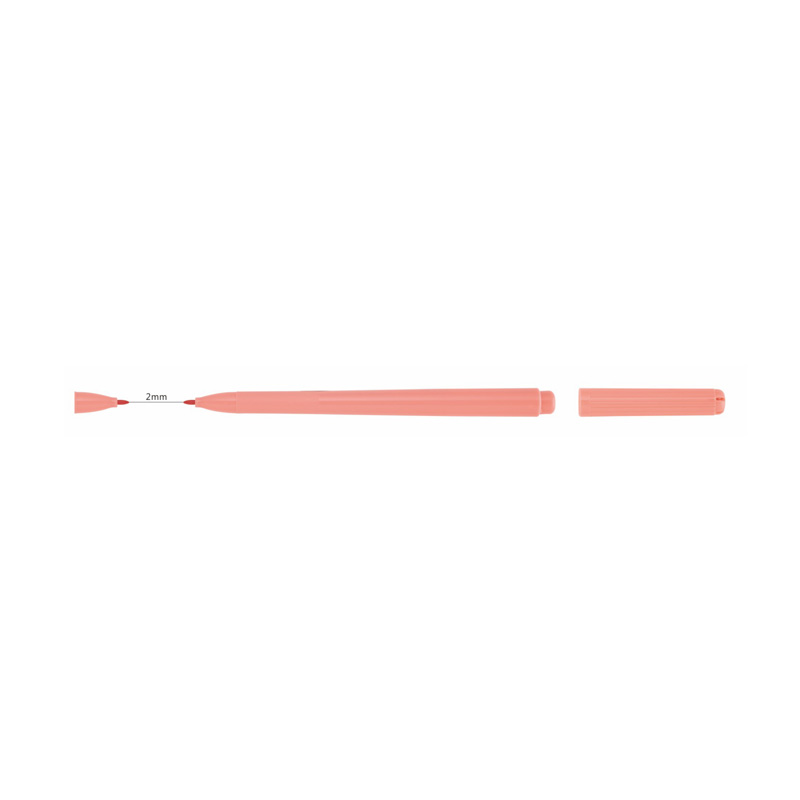
These issues are especially noticeable in products like Pastel Color Pen, where soft tones require precise pigment balance to stay consistent across large quantities.
For distributors, ink instability directly affects customer reviews and return rates, especially in online marketplaces where user feedback spreads quickly.
Many buyers assume color inconsistency is only a design issue, but in real production environments, several factors can affect the final result.
Common causes include:
Even small changes in these conditions can affect final writing performance.
This is why sourcing from a stable Professional Drawing Material Manufacturer is critical for long-term supply consistency, especially when products are sold under the same brand across different countries.
Another frequent issue reported by wholesalers is inconsistent pen tip performance. In one batch, tips remain smooth after long use. In another, they wear down faster or feel slightly rough during writing.
This leads to complaints such as:
For products used in journaling, sketching, and study planning, writing feel is one of the most important factors in repeat purchasing decisions.
This problem is not always visible during sampling, which makes it harder for buyers to detect before mass production.
Even when product quality is stable, packaging issues can still create losses for distributors. Many overseas buyers report damage during long-distance transportation, especially in bulk shipments.
Typical problems include:
These issues do not always affect product function, but they significantly reduce shelf appeal in retail stores and online listings.
Experienced manufacturers usually focus on controlling stability rather than constantly changing product formulas. This includes tighter control over raw materials, ink mixing processes, and production temperature conditions.
Key control points include:
These steps help ensure that every production batch performs close to the same standard, even during high-volume export seasons.
To reduce quality issues in bulk orders, many procurement teams are adjusting their sourcing strategy. Instead of focusing only on price or color variety, they now prioritize:
For growing stationery brands and distributors, working with a reliable Professional Drawing Material Manufacturer is often more effective than frequently changing suppliers.
As global demand for creative stationery continues to grow, especially in journaling and lifestyle retail markets, product consistency is becoming a key factor that directly affects brand reputation and repeat sales performance.


Stationery Manufacturer
Information
 +86-577-86553287
 [email protected]
 Room 201, Building 2, District 3, Wanyang Innovation City, Bihu Town, Liandu District, Lishui City, Zhejiang Province
Contact Us



 English
  中文简体
中文简体  Español