2026.05.29
 Industry News
The stationery market is moving faster than many distributors expected. Product trends that once lasted several years may now change within a single school season. Social media platforms continue influencing what consumers buy, especially in categories connected with journaling, study organization, DIY crafts, and creative desk accessories.
For wholesalers and private label brands, this creates a difficult balance. Buyers want products that match current trends, but they also need stable quality, reliable lead times, and repeat-order consistency. Many sourcing problems today are no longer about finding suppliers — they are about finding suppliers that can keep up with changing retail demand without sacrificing product stability.
One major challenge for distributors is trend timing. Products that perform well online can suddenly slow down after a few months, especially in lifestyle stationery categories.
This is particularly common with:
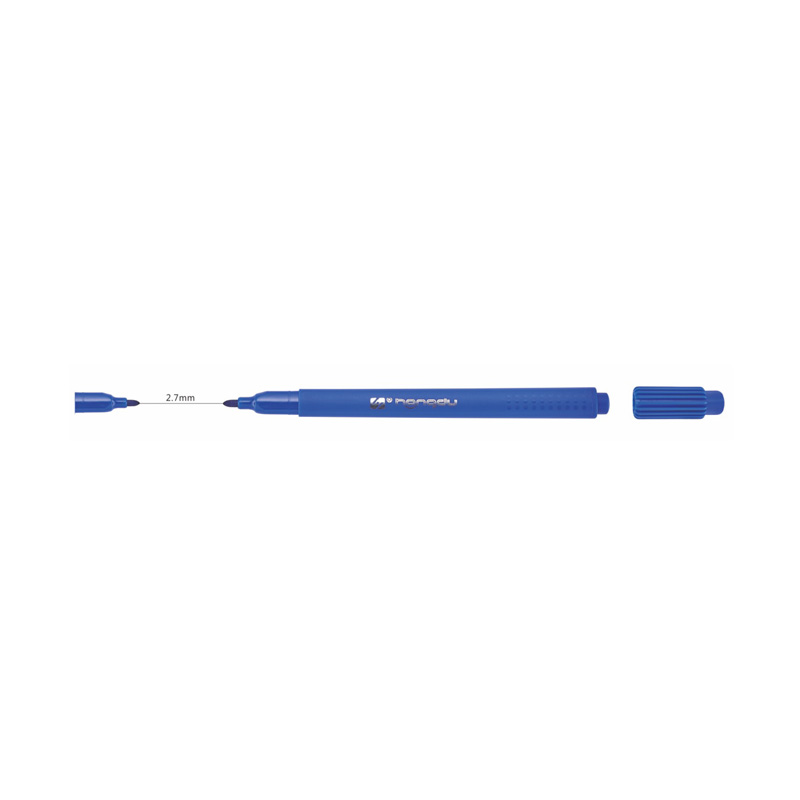
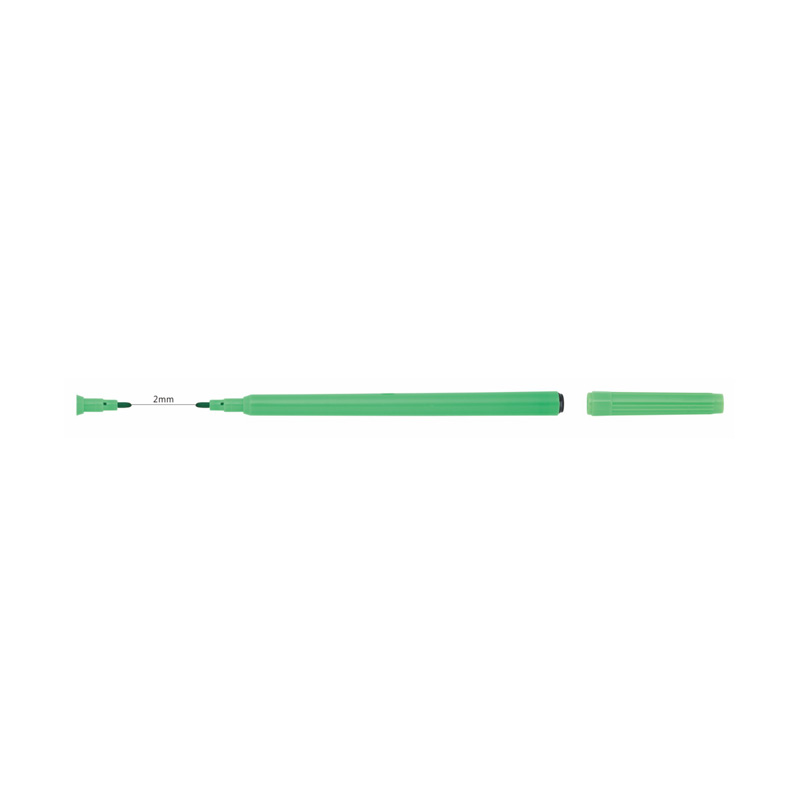
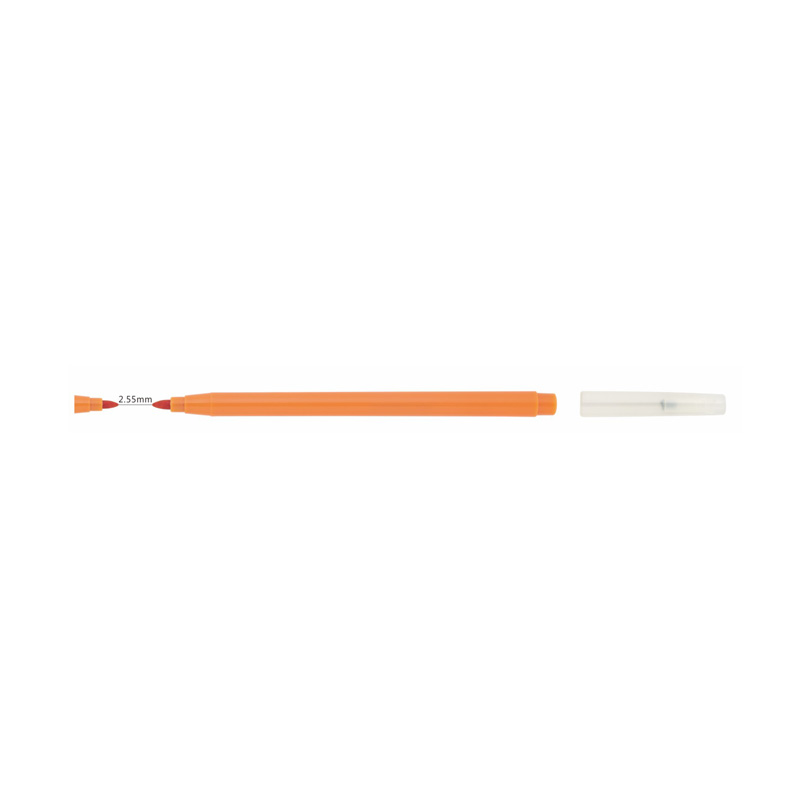
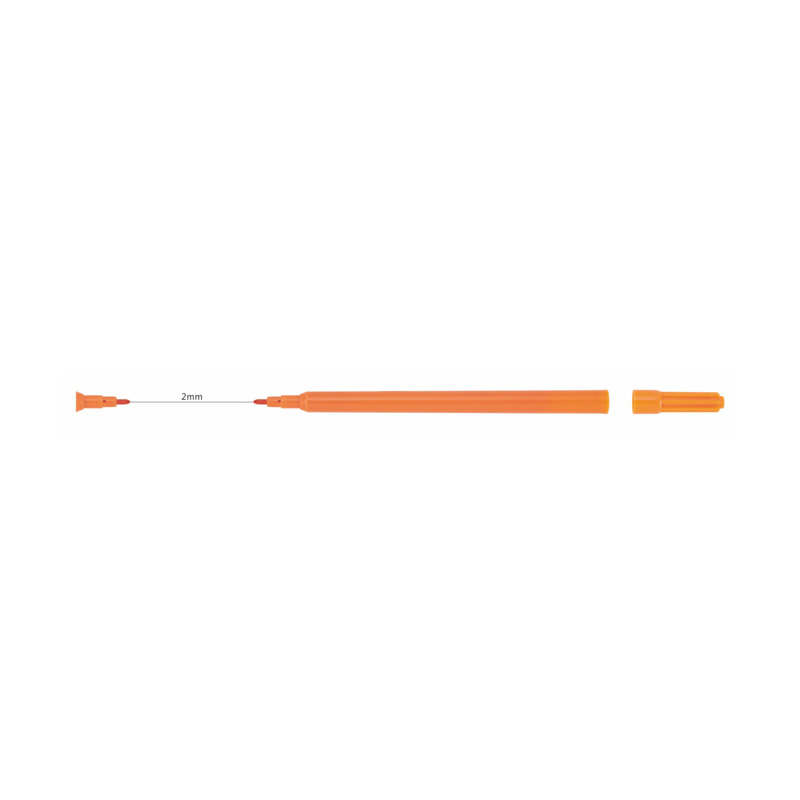
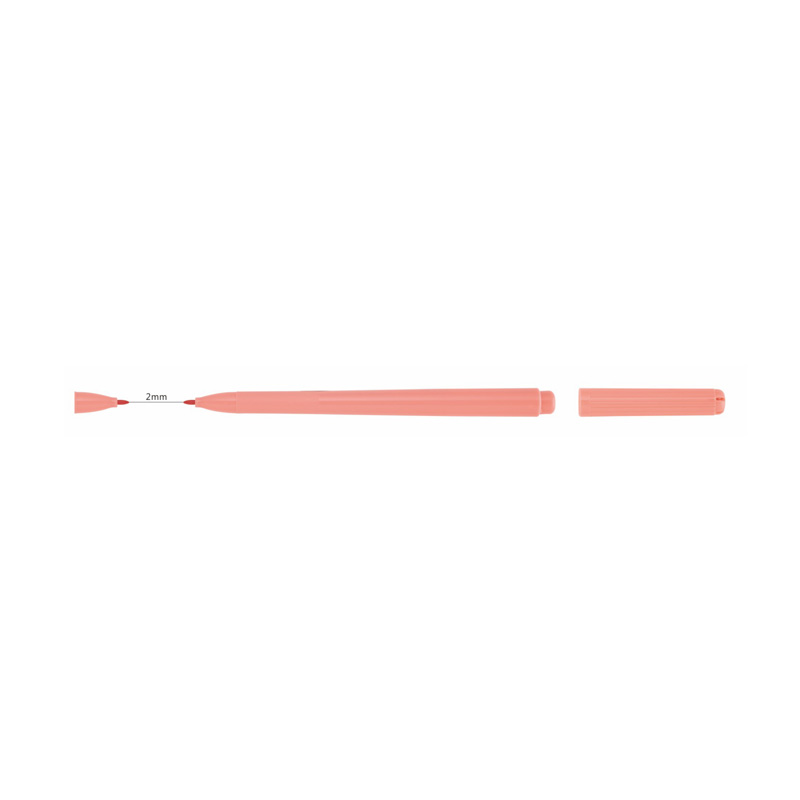
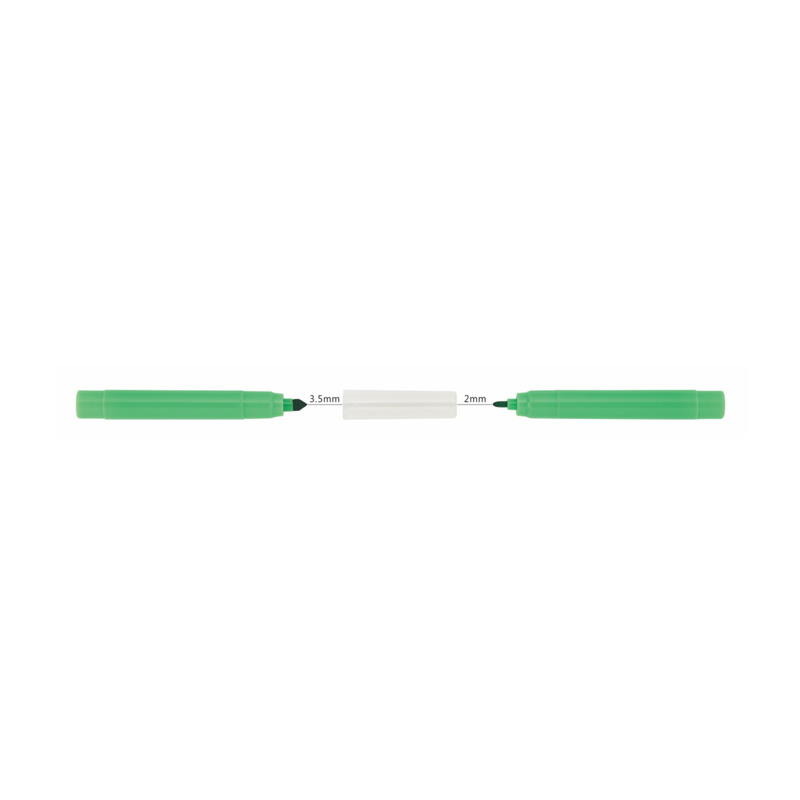
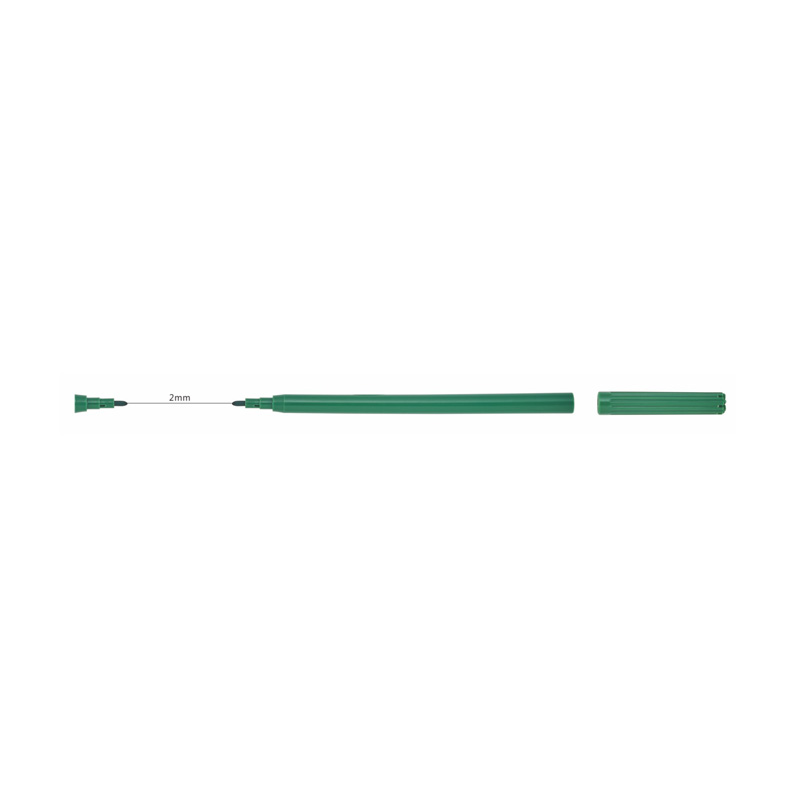
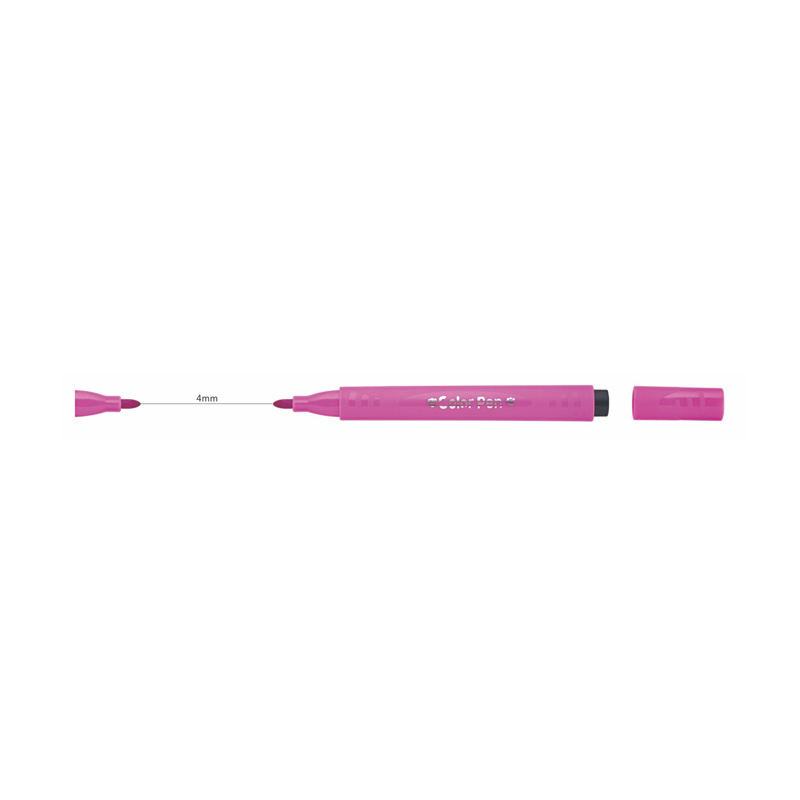
Products like Pastel Color Pen collections often see rapid demand growth after appearing in social media content, but buyers also risk overstock if product styles become outdated too quickly.
Because of this, distributors are searching more frequently for:
Inventory flexibility is becoming almost as important as product pricing.
Packaging has become much more important in the stationery business, especially for products sold through e-commerce channels.
Consumers now often purchase products based on:
For products such as Pastel Color Pen sets, packaging design can strongly influence click-through rates and social sharing performance.
Appeals to students and mobile users.
This trend has pushed manufacturers to treat packaging as part of product development instead of simple shipping protection.
Timing is critical in stationery retail. Missing back-to-school periods or holiday gift seasons can significantly affect yearly sales performance.
Many buyers now evaluate suppliers based on:
Working with an experienced Professional Drawing Material Manufacturer helps reduce supply interruptions during peak sales periods.
Private label stationery brands continue growing in overseas markets. Instead of selling generic products, more distributors want custom colors, branded packaging, and exclusive product combinations.
This has increased demand for:
Manufacturers capable of supporting flexible customization while maintaining stable production quality are becoming more competitive in international markets.
The stationery industry is no longer driven only by school and office demand. Social media trends, desk culture, and lifestyle retail are now influencing how products are designed and sold.
As trend cycles become shorter, buyers will continue looking for suppliers that can balance:
Manufacturers that understand both production control and changing consumer behavior will remain better positioned in the growing creative stationery market.


Stationery Manufacturer
Information
 +86-577-86553287
 [email protected]
 Room 201, Building 2, District 3, Wanyang Innovation City, Bihu Town, Liandu District, Lishui City, Zhejiang Province
Contact Us



 English
  中文简体
中文简体  Español