2026.08.07
 Industry News
A batch of watercolor brushpens laid out on an inspection bench tells an importer more than any spec sheet ever could — nib flex, ink saturation, and barrel finish either match the sample that won the order, or they do not. For buyers sourcing watercolor brushpens from Zhejiang-based manufacturers, understanding what happens between raw pigment and finished pen is part of vetting a supplier, not an afterthought.
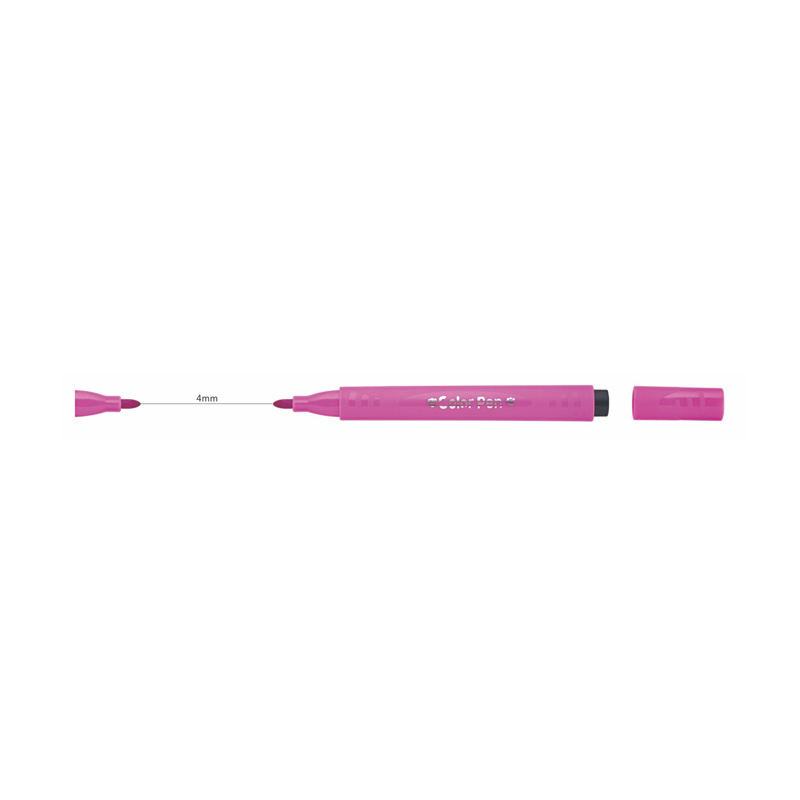
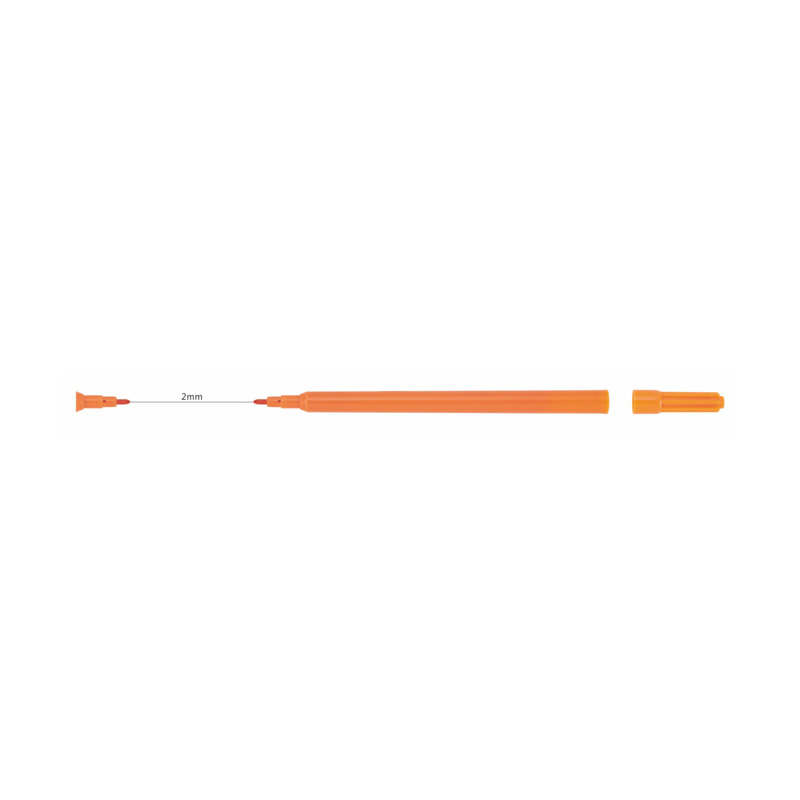
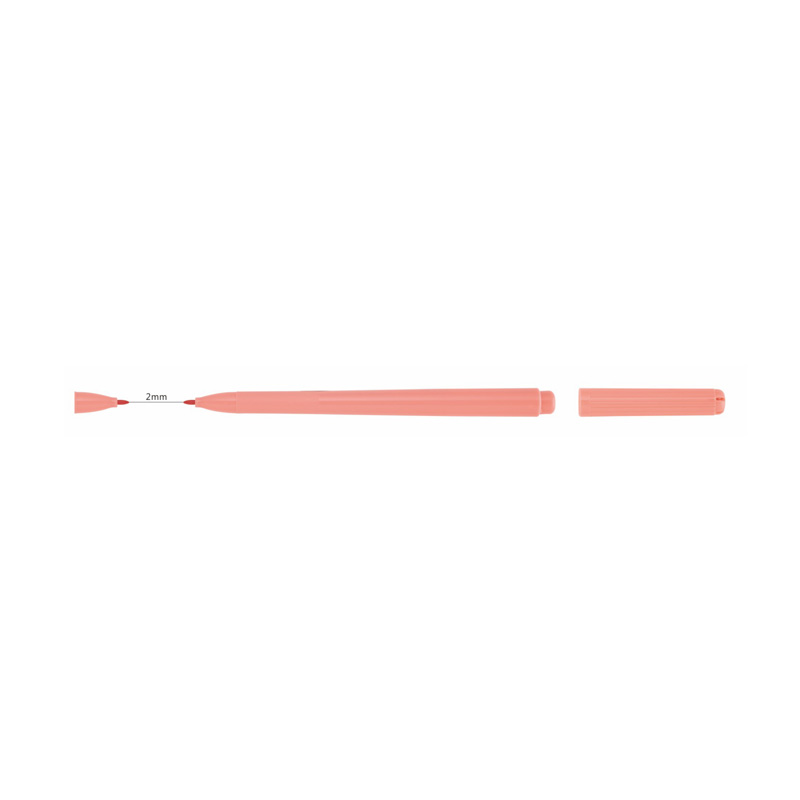
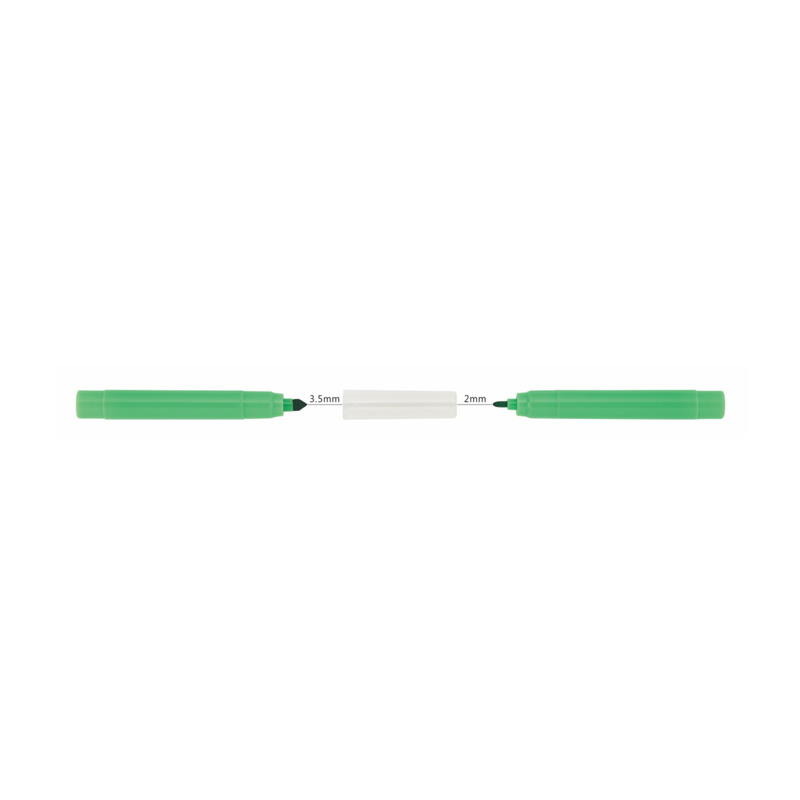
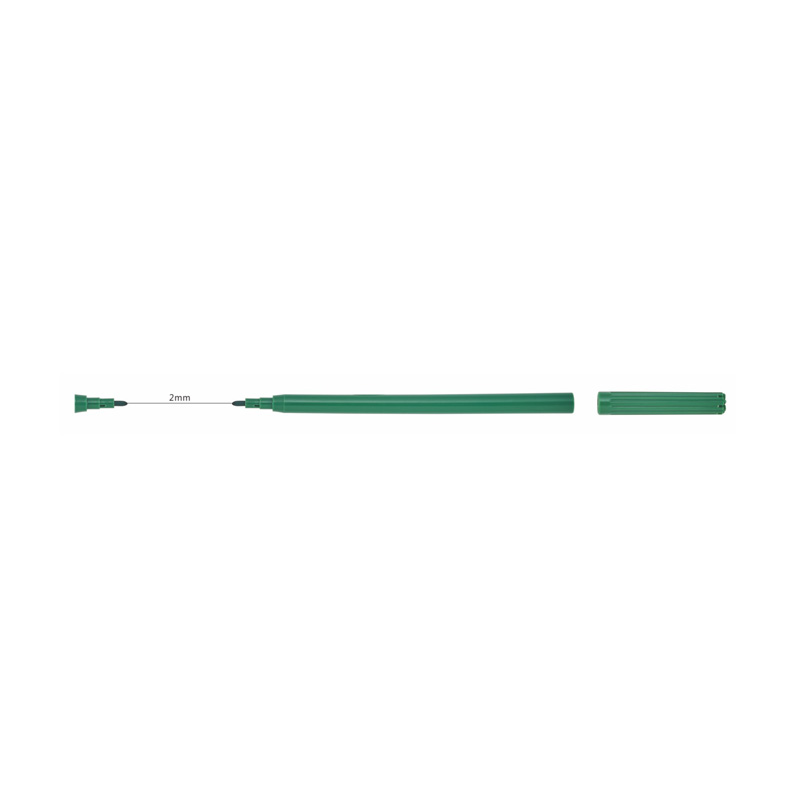
The nib is where many quality disputes start. Watercolor brushpens built for retail and classroom use need tips that flex under pressure without splaying or cracking after repeated strokes. Nylon fiber tips bonded to a felt or POM feeder channel water-based pigment evenly, so the line stays consistent from a light touch to a firmer, brush-style stroke. Buyers evaluating brush tip watercolor markers should ask suppliers directly about tip durability testing — a factory that can show pressure-cycling data on its nibs, rather than a general safety claim, is signaling that the engineering behind the pen goes beyond assembling off-the-shelf parts.
Ink formulation matters just as much as the tip. Water-soluble, non-toxic pigment ink needs to dissolve cleanly with a wet brush or direct water contact, without leaving a chalky residue on paper or fabric. Manufacturers producing watercolor brushpens at scale typically run internal viscosity and color-saturation checks on each ink batch before it reaches the filling line, since small viscosity shifts change how the pigment bleeds across watercolor paper.
A dependable watercolor brushpens supplier runs checks at multiple stages rather than relying on a single final inspection. Raw material batches — plastic barrels, nib fiber, ink concentrate — get sampled before entering production. Mid-line, technicians test nib flex resistance and ink flow rate on a rolling sample basis. Before packing, finished pens go through a visual and functional check for cap fit, barrel seal, and color accuracy against the approved reference sample.
This layered approach matters for buyers placing recurring orders, since a defect caught only at final inspection often signals gaps earlier in the process. Factories that document each checkpoint and that are willing to share inspection records or lab reports tend to be easier partners for importers who need consistent results shipment after shipment.
|
Nib Type |
Tip Width |
Color Count |
Suited For |
|
Fine Nib |
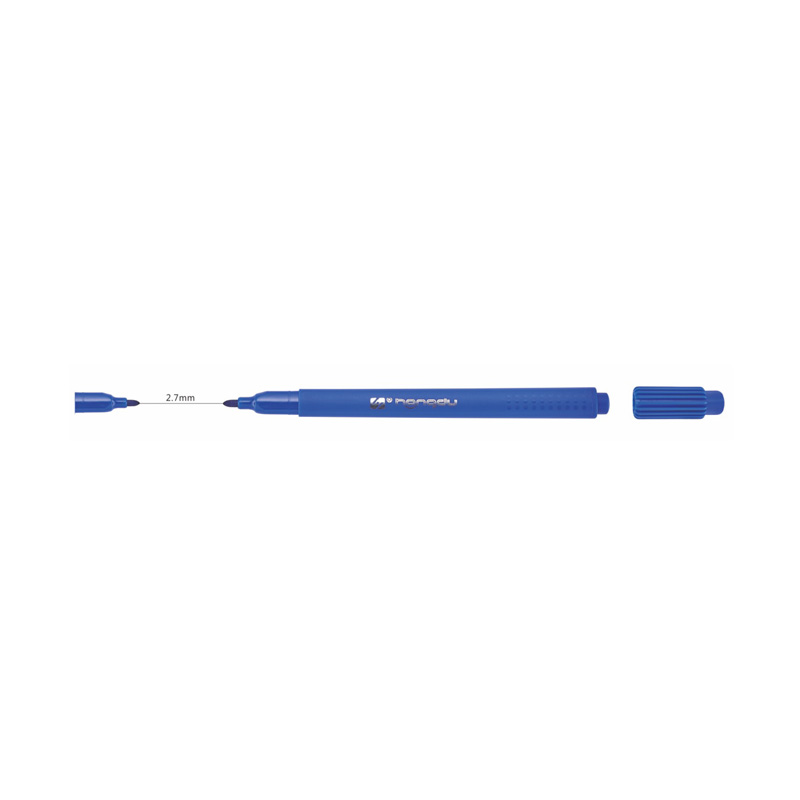
2.7mm |
Single/Multi |
Detail work, outlining, fine lettering |
|
Pressure-Resistant Nib |
Standard round |
10 colors |
Classroom use, repeated heavy pressure |
|
Thick Nib |
7.7mm |
12 colors |
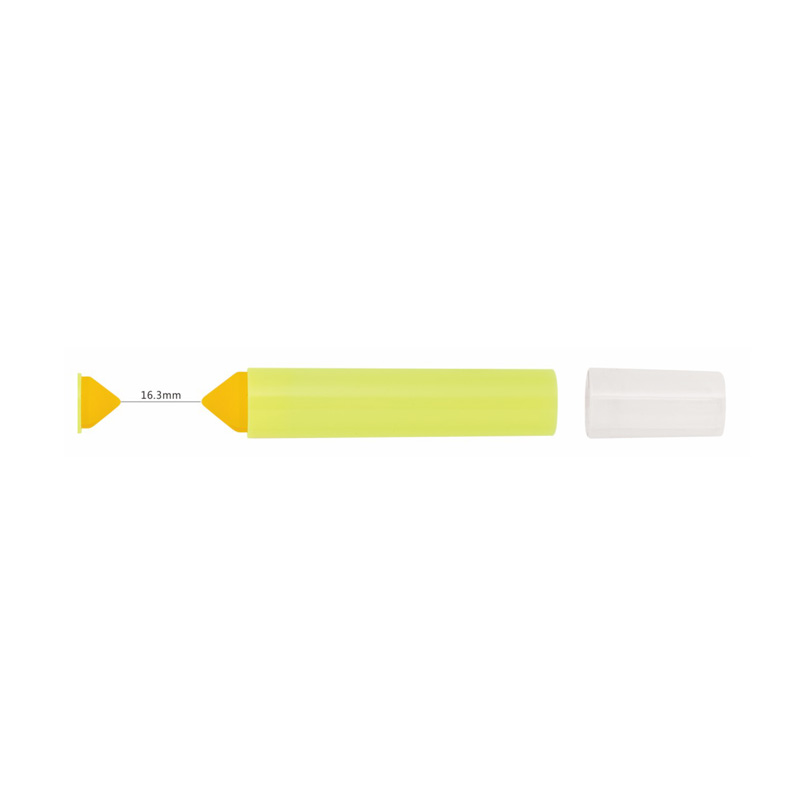
Broad coverage, background fills |
|
Basic Coloring Set Nib |
Mixed width |
15 colors |
Multi-purpose sets, gift bundles |
Buyers comparing catalogs across factories can use a breakdown like this to match nib type to end-use before requesting samples, rather than discovering the mismatch after a container has already shipped.
For private-label buyers, an OEM watercolor pen manufacturer typically offers more than color and logo changes. Barrel shape, nib width, ink shade calibration, and set configuration — six-color starter packs versus twenty-four-color sets — can usually be adjusted during development, provided the buyer supplies clear technical requirements early. Bulk supply capacity also affects lead times: factories running dedicated watercolor brushpen production lines can usually hold tooling and color formulas on file, which shortens turnaround on repeat orders compared with switching specs each cycle.
Packaging customization is part of this conversation too. Blister cards, printed sleeves, and gift boxes all affect unit cost and carton dimensions, so it helps to confirm packaging specs alongside product specs during the quotation stage.
Import compliance varies by destination market, so suppliers of watercolor brushpens need documentation that matches where the product is headed. CE and EN71 certification cover toy-safety requirements common across the EU market, while ASTM D-4236 addresses labeling for art materials sold into North America. Factories exporting into Southeast Asia, Europe, and South America generally maintain several certificates in parallel, since a single shipment can sometimes serve buyers across more than one region.
Requesting current certificate copies, along with the testing lab name and issue date, is a reasonable step before finalizing a purchase order — certificates do expire, and a factory that renews them proactively is usually the one worth building a longer sourcing relationship with.


Stationery Manufacturer
Information
 +86-577-86553287
 [email protected]
 Room 201, Building 2, District 3, Wanyang Innovation City, Bihu Town, Liandu District, Lishui City, Zhejiang Province
Contact Us



 English
  中文简体
中文简体  Español