2026.09.25
 Industry News
A glitter pen that writes smoothly in a sample test can still clog within weeks once the glitter particles inside settle unevenly or drift toward the tip in concentrations the nib was never designed to pass. A normal glitter pen depends on a formulation balance between particle size, suspension liquid viscosity, and nib channel width that keeps sparkle flowing consistently rather than building up and blocking the writing tip after repeated use.
Glitter particle suspension relies on a carrier liquid viscous enough to keep solid glitter flakes distributed evenly throughout the barrel rather than letting them sink to the bottom or float unevenly near the cap end during storage. A normal glitter pen filled with a suspension too thin allows particles to settle quickly, producing a pen that writes with visible sparkle right after shaking but fades to a duller line as the particles concentrate away from the tip between uses. Lishui Hongdu Stationery Co., Ltd. formulates its glitter suspension viscosity specifically to slow this settling process, extending how long a pen performs consistently between the shakes a user applies before each writing session.
Glitter flakes cut too large relative to the nib's internal channel width create a common failure mode in this product category, catching against the channel walls and gradually building up a blockage that starves the tip of ink flow entirely. A normal glitter pen engineered around a specific particle size distribution, rather than a loosely sorted batch of glitter flakes varying widely in size, keeps this channel clear across the pen's full usable life. Manufacturers sourcing glitter material for this application typically specify a maximum particle dimension well below the narrowest point in the ink delivery path, building in a margin that accounts for particles clumping together rather than passing through individually.
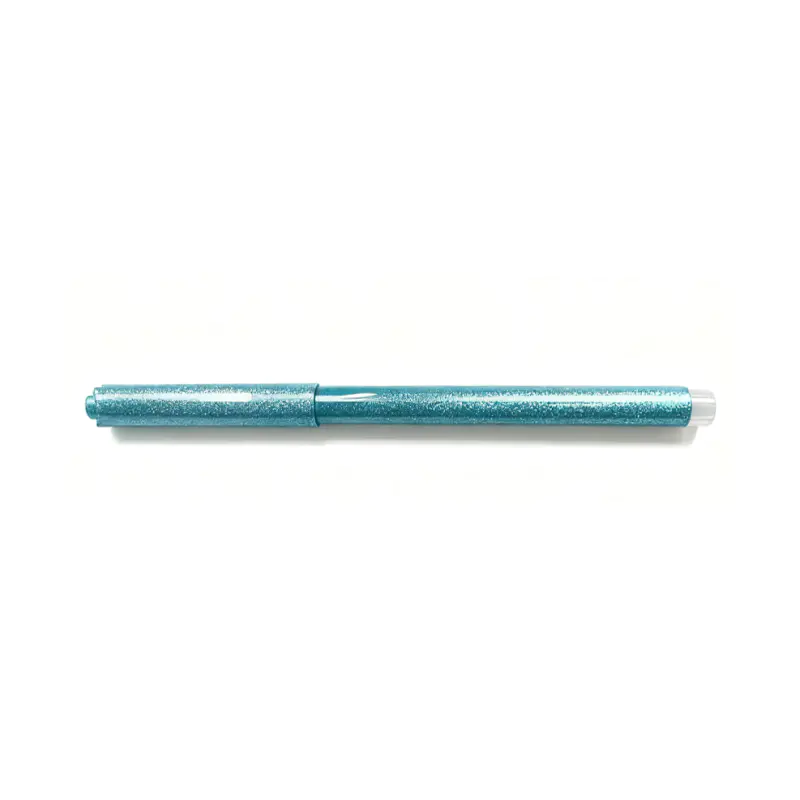
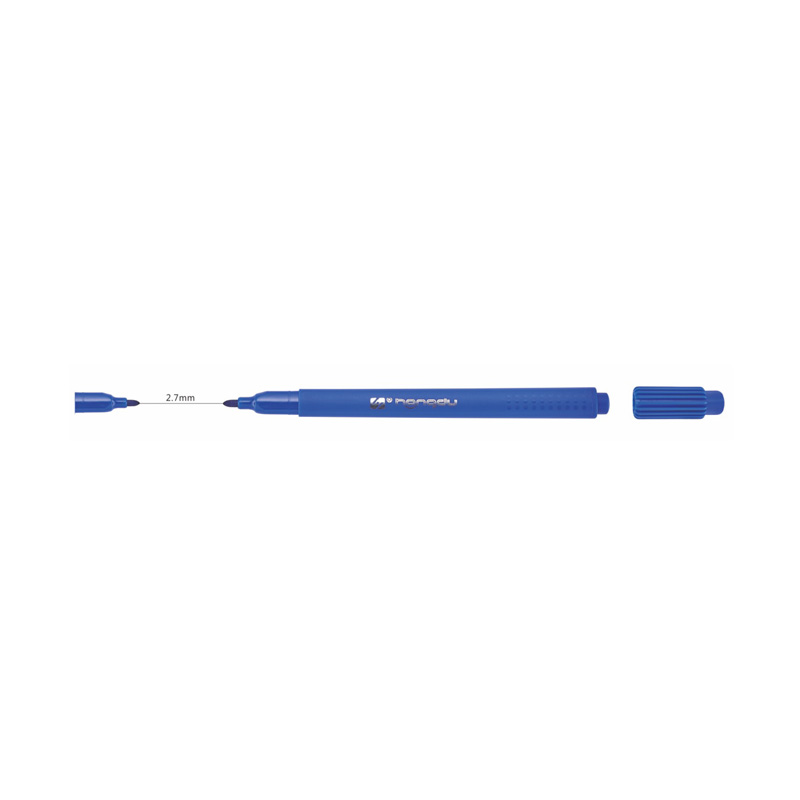
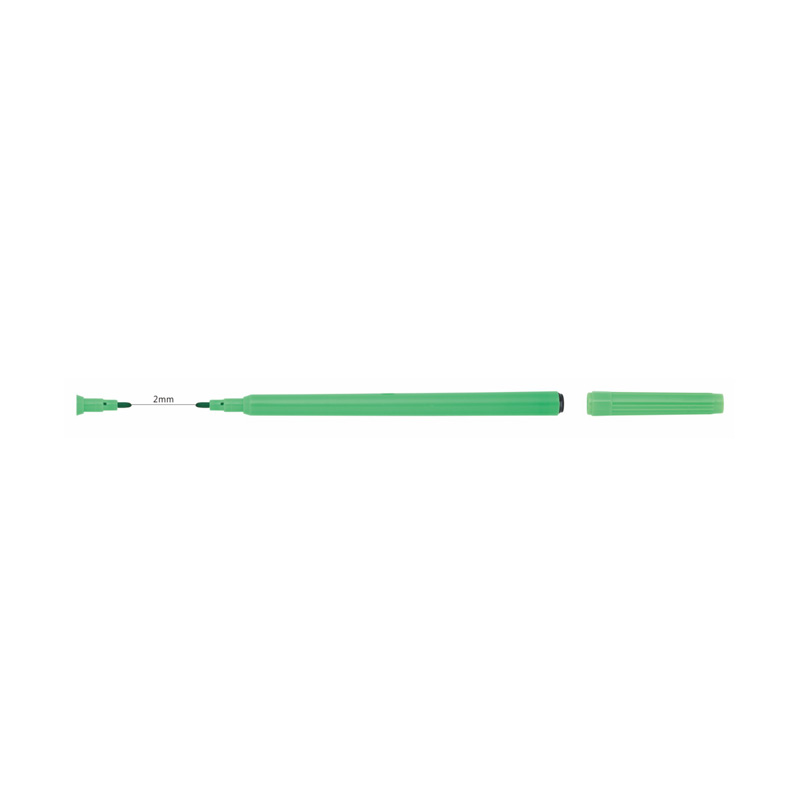
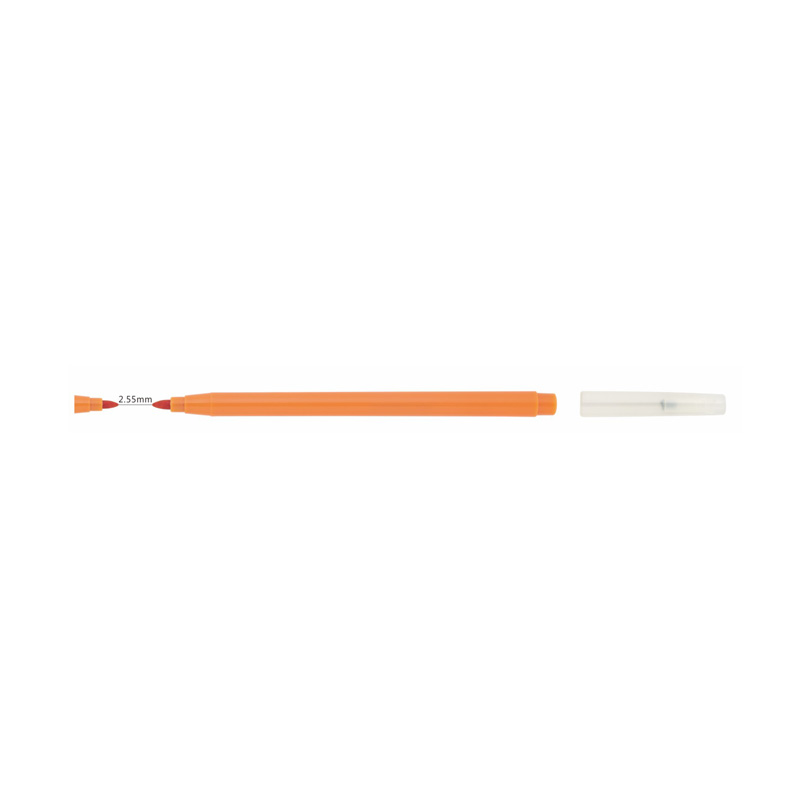
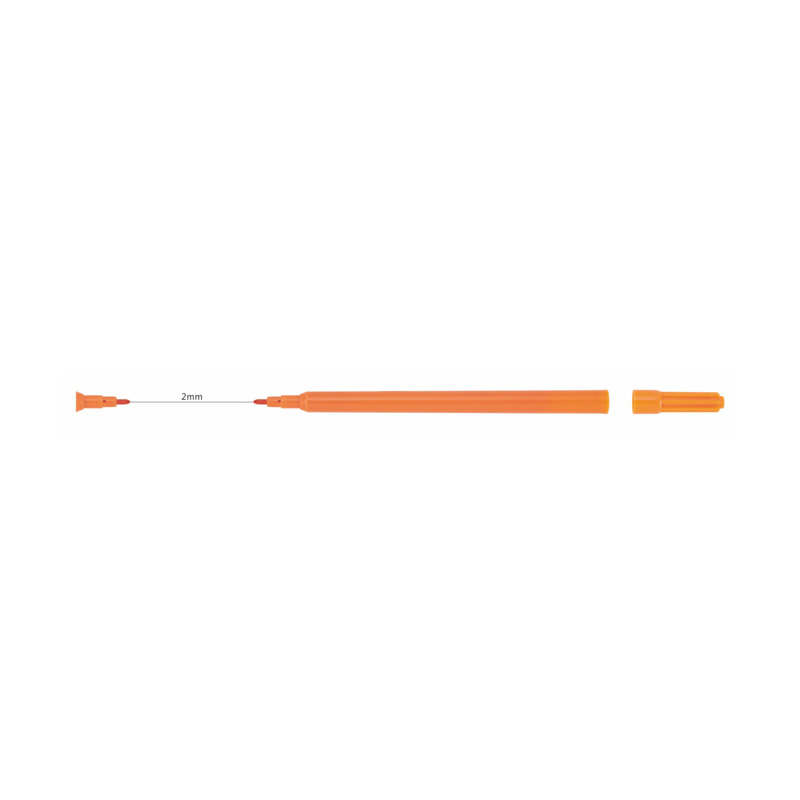
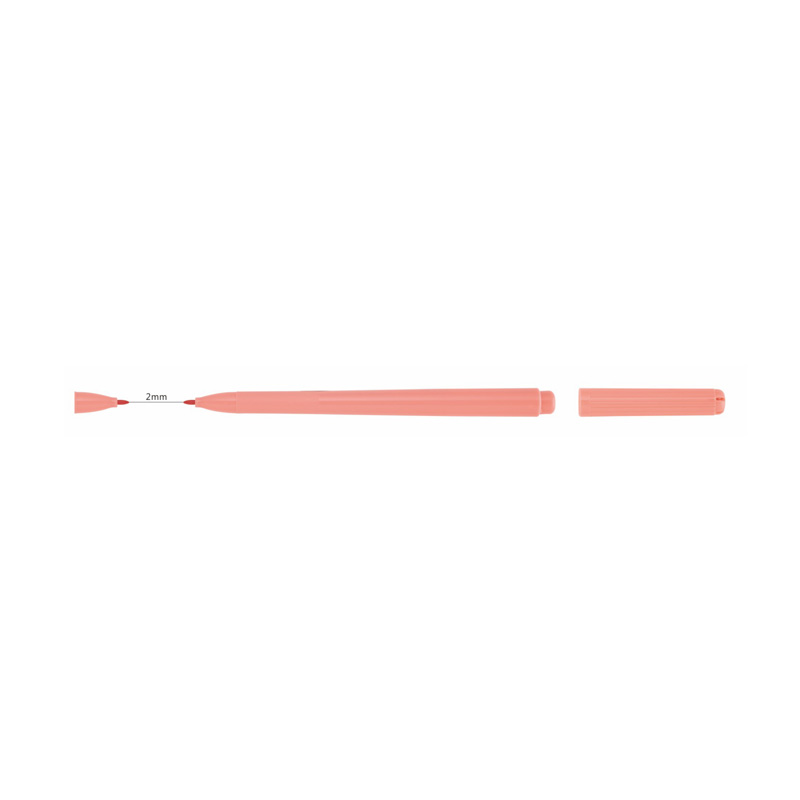
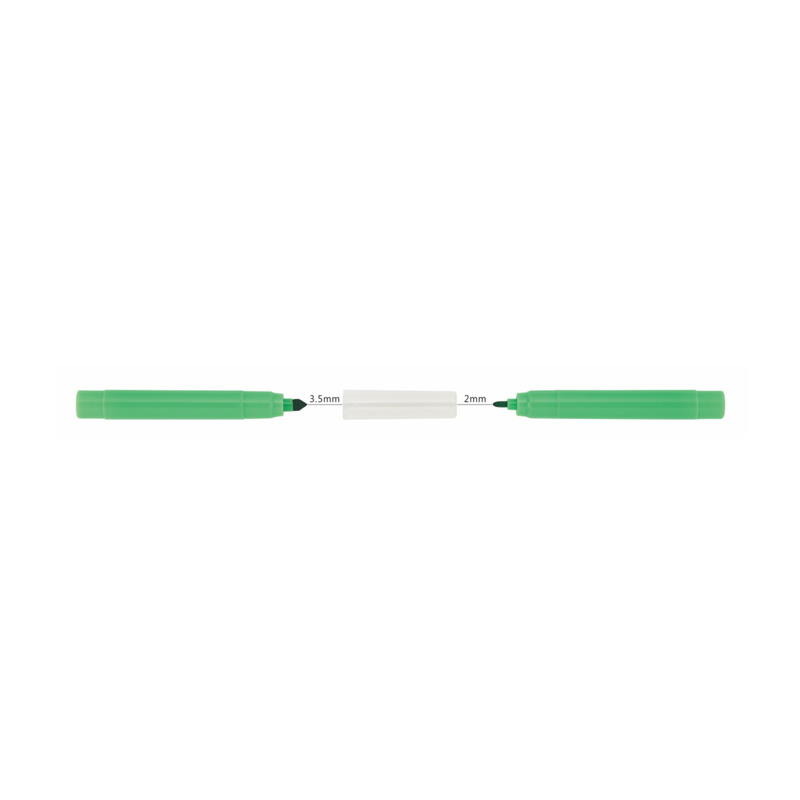
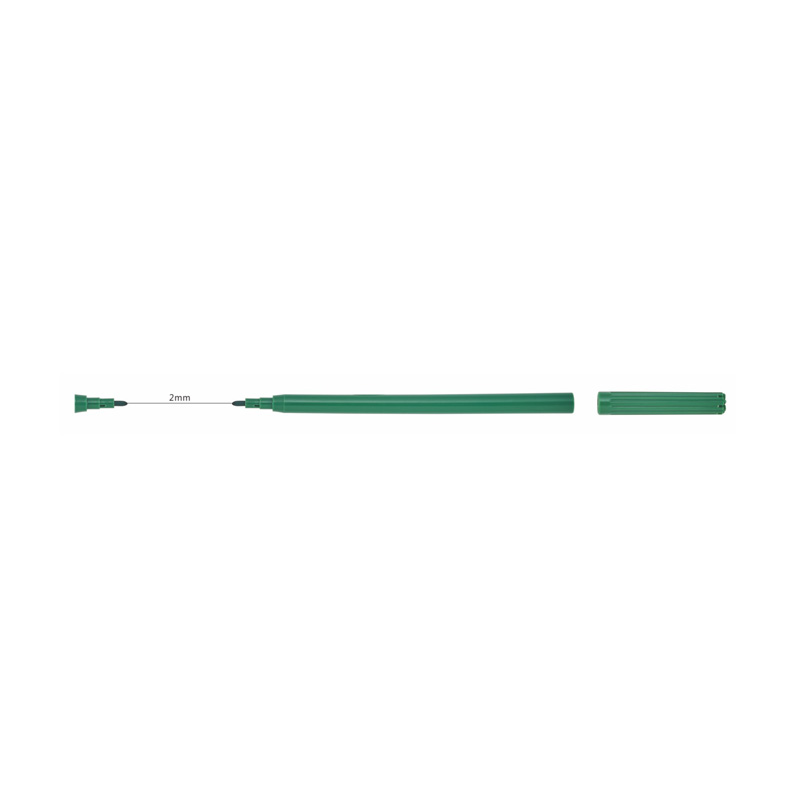
Glitter pen nib design widens the internal channel somewhat compared to a standard felt-tip marker nib, creating enough clearance for glitter particles to pass through without restricting ink flow to the point where the line appears faint or inconsistent. This wider channel does trade off some of the fine-line precision a standard marker nib offers, which is an acceptable compromise for a product where visible sparkle output matters more than crisp line definition. A normal glitter pen balancing these two priorities correctly produces a line that reads clearly as glitter-filled rather than a washed-out standard ink line with only occasional visible flakes.
Nearly every glitter pen on the market carries a shake-before-use instruction, and this is less a generic caution than a direct acknowledgment that even a well-formulated suspension settles somewhat during storage regardless of viscosity. A normal glitter pen with a well-tuned suspension needs less vigorous shaking to redistribute settled particles than one with a thinner carrier liquid, giving buyers a rough proxy for suspension quality by comparing how much shaking different samples require to restore even sparkle output. This detail is worth testing directly during sample evaluation rather than assuming all glitter pens perform equivalently once instructions are followed.
Buyers sourcing a normal glitter pen line for school supply catalogs or promotional gift sets should confirm particle size consistency and suspension formulation quality across a full production batch, not just a single approved sample, since glitter settling behavior can vary meaningfully between production runs if raw material sourcing or mixing process shifts even slightly. Lishui Hongdu Stationery Co., Ltd. supports color and glitter density customization across its writing instrument lines, and buyers placing bulk orders should request sample units pulled from different points in a production run to confirm consistent flow performance before committing to a full shipment.


Stationery Manufacturer
Information
 +86-577-86553287
 [email protected]
 Room 201, Building 2, District 3, Wanyang Innovation City, Bihu Town, Liandu District, Lishui City, Zhejiang Province
Contact Us



 English
  中文简体
中文简体  Español