2026.08.21
 Industry News
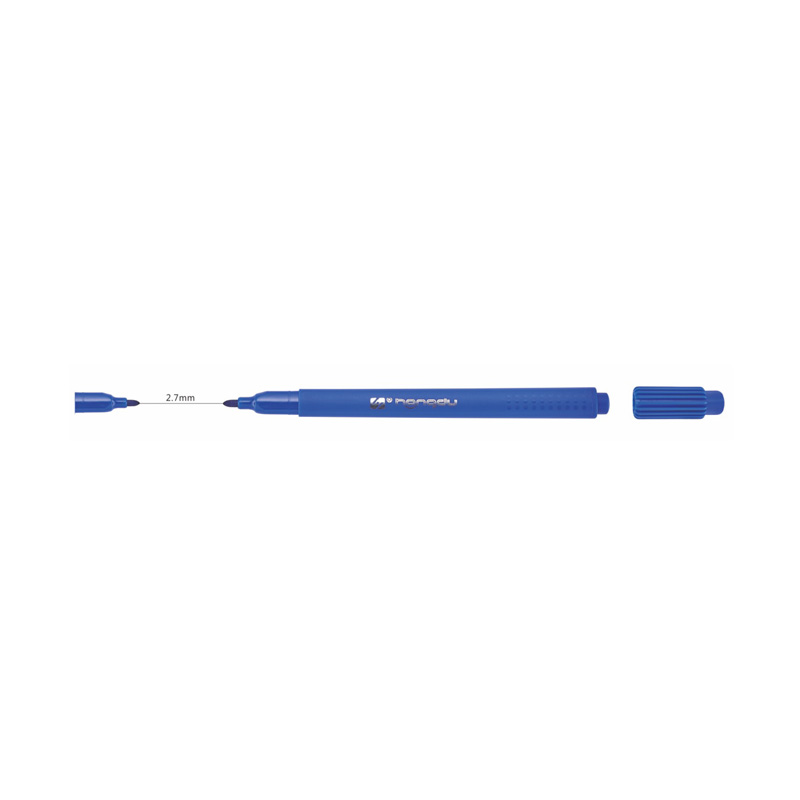
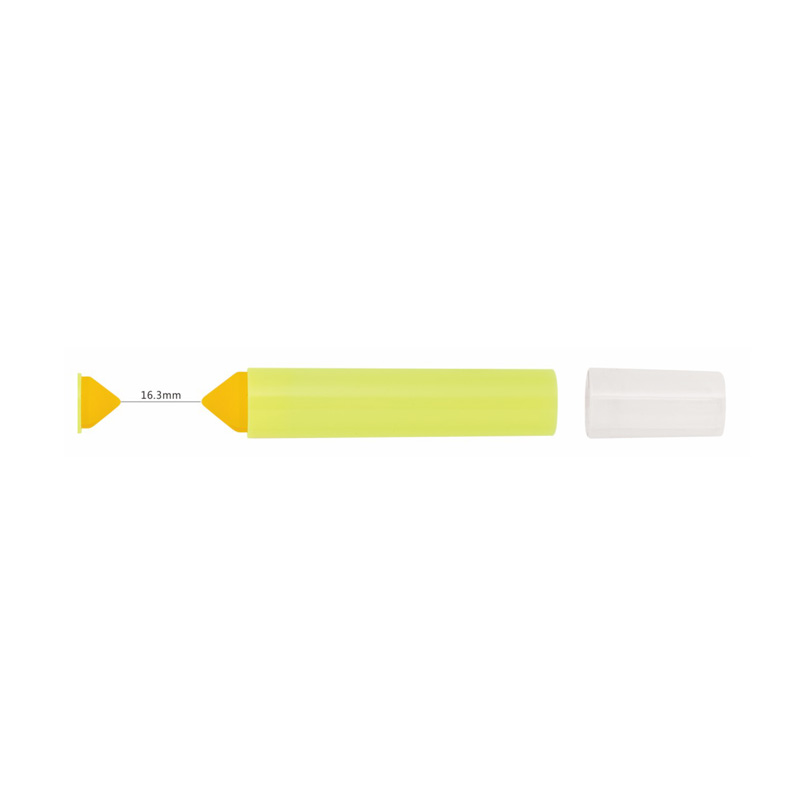
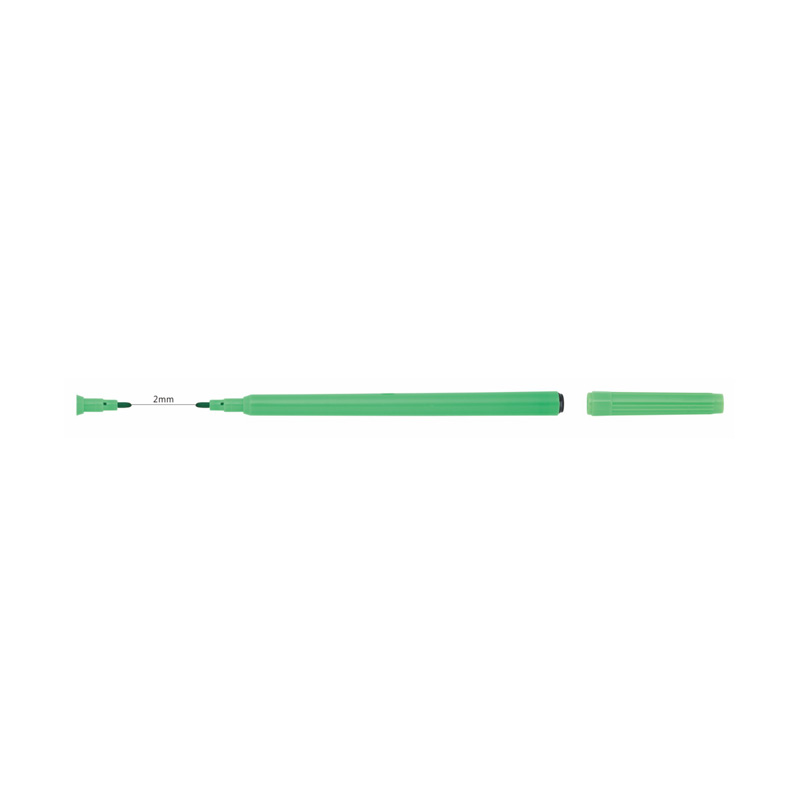
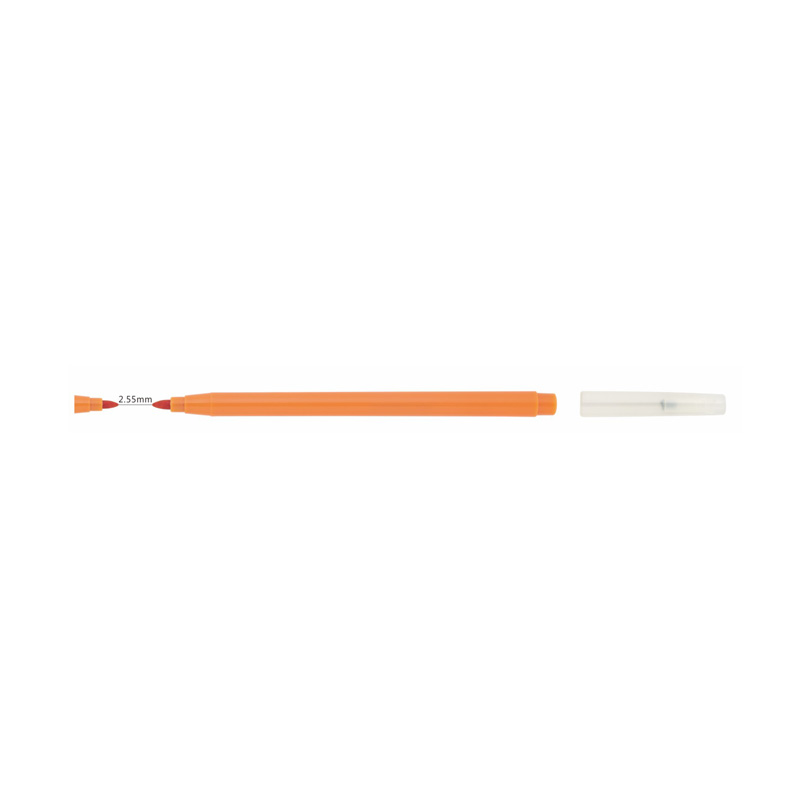
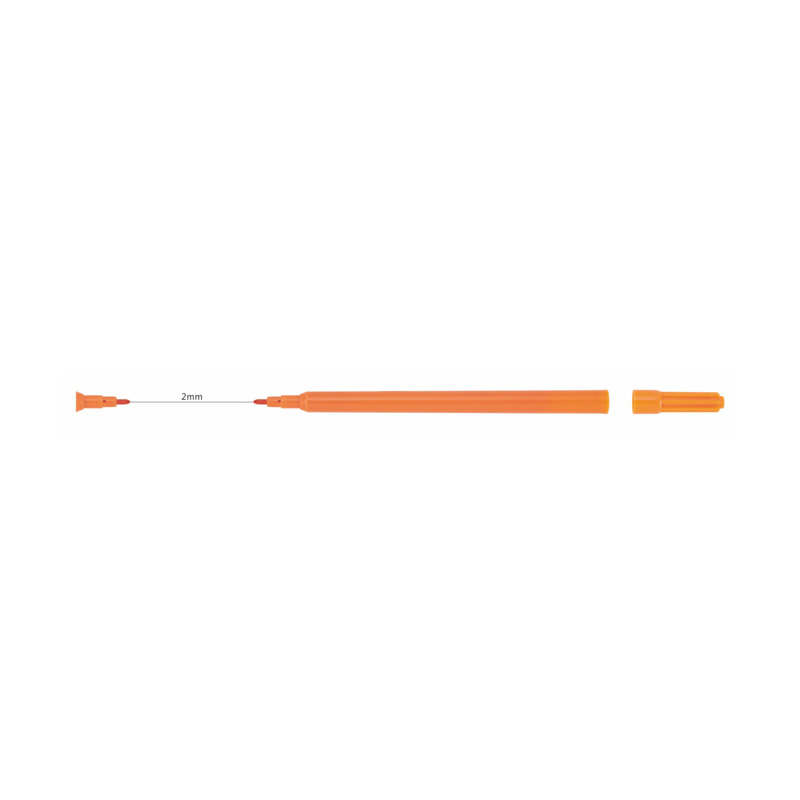
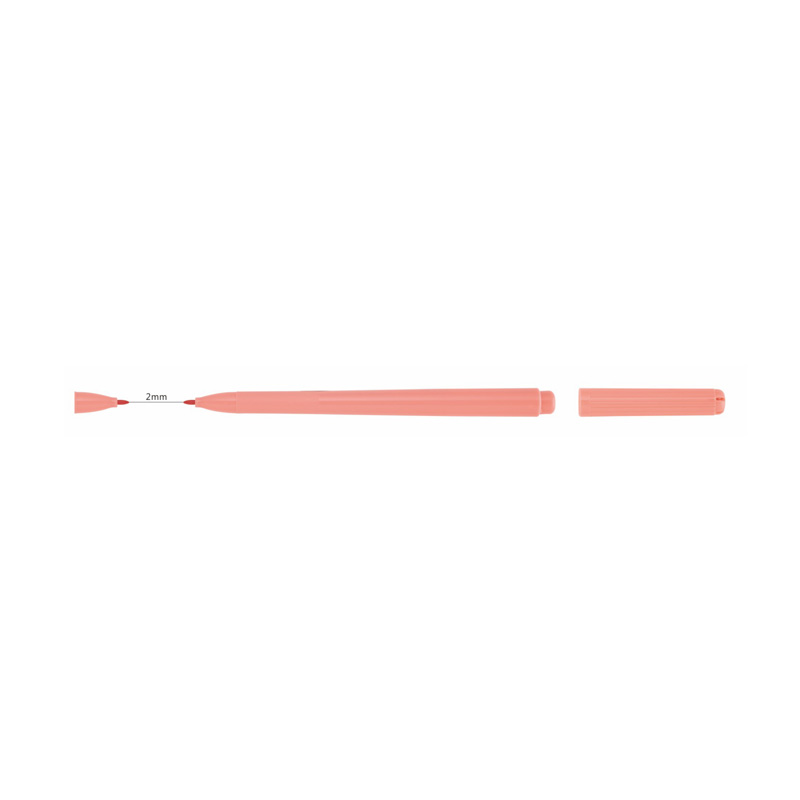
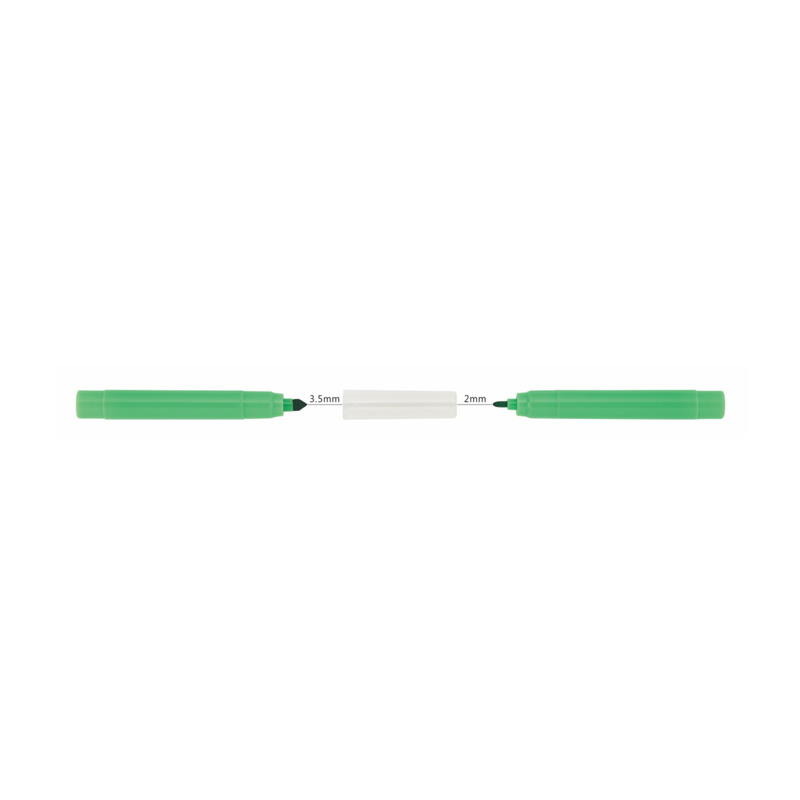
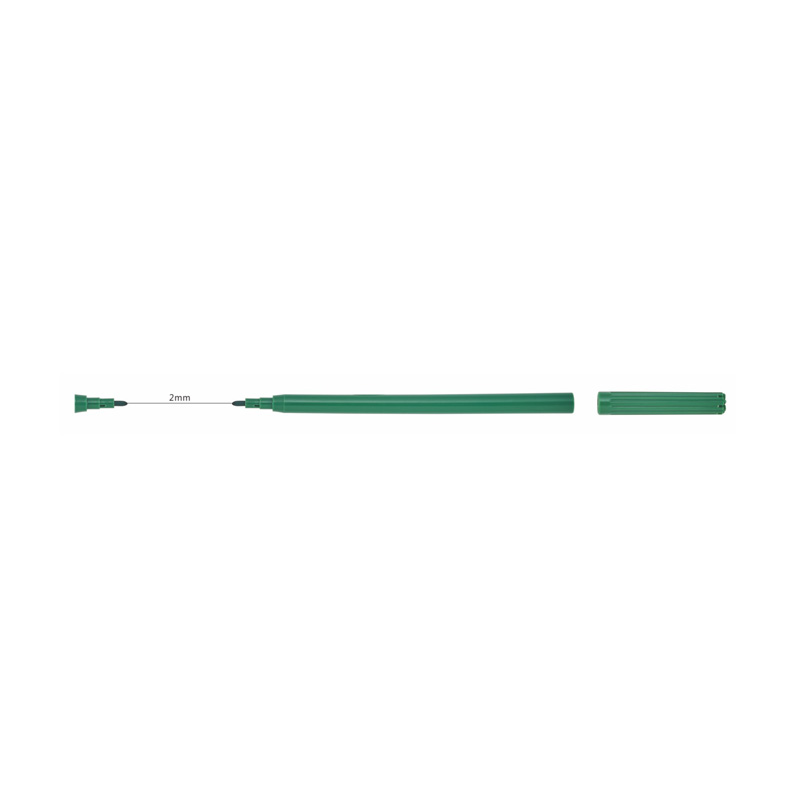
A buyer sourcing stationery for a school supply catalog or a promotional gift set often has to satisfy two separate requirements from the same product listing: a fun, interactive feature for the end user, and an ink formulation that a parent or teacher won't reject at the point of sale. A washable double-ending stamp pen is built around exactly that pairing, combining a stamp tip and a writing tip on the same barrel so the interactive feature and the everyday function ship as one SKU instead of two.
The two ends of a washable double-ending stamp pen serve different purposes: one end holds a fine or medium writing nib for regular use, while the opposite end carries a molded stamp tip — often a shape like a star, animal, or seasonal icon — that transfers a printed image when pressed onto paper. Buyers should confirm which stamp shapes are included in a given SKU of the washable double-ending stamp pen before ordering, since stamp designs are typically fixed at the molding stage and can't be substituted after production without a new tooling run.
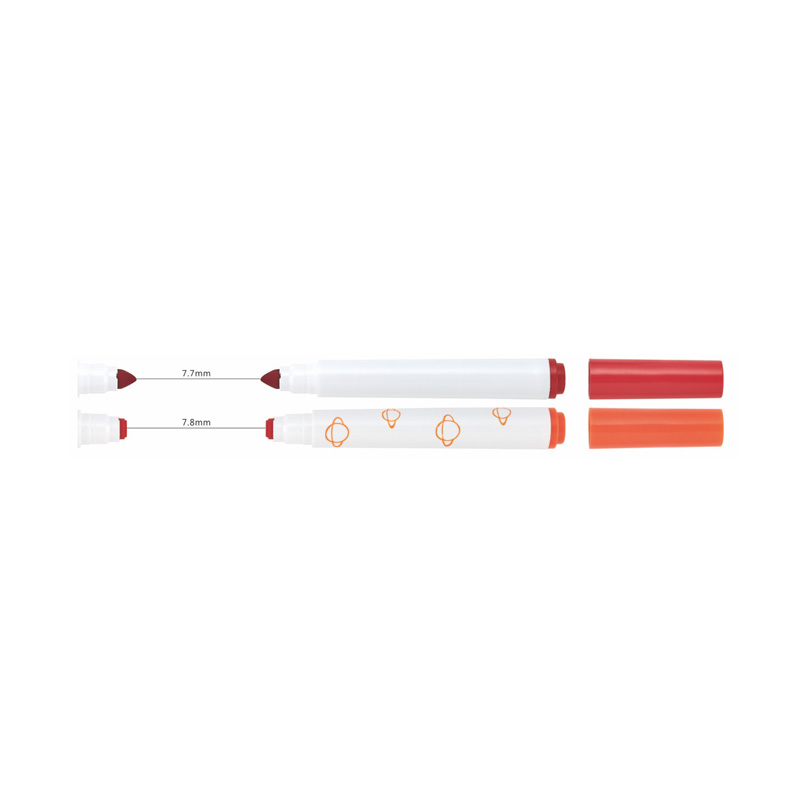
The washable claim on a washable double-ending stamp pen refers specifically to the ink's ability to release from common fabrics in a standard wash cycle, which is tested against a set procedure rather than assumed from the ink's water-based formulation alone. Buyers supplying school or children's product markets should request the specific washability test standard the ink was verified against, since "washable" as a marketing term isn't universally defined the same way by every supplier, and a distributor's own liability exposure depends on that documentation being accurate.
|
Feature |
Writing End |
Stamp End |
|
Function |
Standard line writing |
Pressed image transfer |
|
Ink delivery |
Continuous flow through nib |
Single-press ink transfer from molded tip |
|
Common use |
Coloring, note-taking, drawing |
Reward charts, craft projects, decoration |
|
Refill behavior |
Gradual ink depletion with use |
Ink transfer depends on stamp saturation |
|
Buyer consideration |
Nib width and ink flow rate |
Stamp shape variety and mold clarity |
Because this product category is heavily purchased for children's use, the barrel material, ink pigments, and stamp tip compound all need to meet the toy or stationery safety standard required in the destination market — commonly ASTM D-4236 or EN 71 depending on the region a distributor is shipping into. A washable double-ending stamp pen intended for a children's product line should ship with the relevant compliance certificate rather than a general safety statement, since customs clearance and retailer onboarding both typically require the specific test report tied to the product's exact ink and material formulation.
The barrel is typically injection molded from polypropylene, chosen for its resistance to cracking under the repeated capping and uncapping a classroom or craft setting puts a pen through. Cap retention on both ends matters more on a washable double-ending stamp pen than on a single-tip product, since a lost cap on either end exposes ink to drying out or, in the case of the stamp tip, to smearing inside a pencil case. Suppliers producing for bulk distribution typically test cap fit tolerance across a full production batch rather than a handful of samples, since a loose-fitting cap is a common complaint that surfaces after a shipment has already reached retail shelves.
Buyers ordering in volume can typically request custom barrel colors, stamp shape sets matched to a seasonal or promotional theme, and private-label packaging for retail or educational distribution channels. Because stamp tip molds are a fixed tooling cost, buyers planning a private-label run of a washable double-ending stamp pen should confirm minimum order quantities tied to any custom stamp shape early in the sourcing conversation, since a new mold typically requires a higher volume commitment than an order using existing stamp designs.
Procurement teams should request the washability test standard, the safety compliance certificate matching their destination market, and confirmation of which stamp shapes are available without new tooling, since these three details determine whether the product a buyer receives matches both the functional expectations and the compliance requirements the order was placed against.


Stationery Manufacturer
Information
 +86-577-86553287
 [email protected]
 Room 201, Building 2, District 3, Wanyang Innovation City, Bihu Town, Liandu District, Lishui City, Zhejiang Province
Contact Us



 English
  中文简体
中文简体  Español